Introduction:
CRM (Customer Relationship Management) software plays a crucial role in streamlining customer service operations for businesses. It helps organizations effectively manage and maintain relationships with their customers, enhance customer satisfaction, and drive business growth. In this article, we will explore some of the top CRM software options available in the market that can help businesses streamline their customer service operations and deliver exceptional customer experiences.
Benefits of Implementing CRM Software for Customer Service Operations
Are you looking for ways to improve your customer service operations? Look no further than CRM software. Customer Relationship Management (CRM) software is a powerful tool that can streamline your customer service operations and enhance your overall customer experience. In this article, we will explore the benefits of implementing CRM software for customer service operations.
One of the key benefits of CRM software is its ability to centralize customer data. With CRM software, all customer information is stored in one place, making it easy for your customer service team to access and update. No more searching through multiple systems or spreadsheets to find the information they need. This centralized database allows your team to have a complete view of each customer, including their purchase history, preferences, and any previous interactions they have had with your company.
By having access to this comprehensive customer data, your customer service team can provide personalized and efficient service. They can quickly address customer inquiries, resolve issues, and even anticipate customer needs. For example, if a customer contacts your company with a question about a product they purchased, your customer service representative can easily access the customer’s purchase history and provide relevant information or assistance. This level of personalized service not only improves customer satisfaction but also helps to build long-term customer loyalty.
Another benefit of CRM software is its ability to automate routine tasks. With CRM software, you can automate processes such as ticket routing, email responses, and follow-up reminders. This automation not only saves time but also ensures that nothing falls through the cracks. For example, if a customer submits a support ticket, CRM software can automatically assign it to the appropriate team member based on predefined rules. This eliminates the need for manual ticket assignment and ensures that every customer inquiry is addressed in a timely manner.
In addition to streamlining customer service operations, CRM software can also provide valuable insights into your customer base. By analyzing customer data, you can identify trends, preferences, and areas for improvement. For example, you may discover that a particular product is frequently returned due to a specific issue. Armed with this information, you can take proactive steps to address the issue, such as improving the product or providing additional training to your customer service team. These insights can help you make data-driven decisions that improve your overall customer experience.
Furthermore, CRM software can integrate with other business tools, such as marketing automation software or help desk software. This integration allows for seamless data sharing and collaboration across departments. For example, if a customer submits a support ticket that requires input from the marketing team, CRM software can automatically notify the relevant team members and provide them with the necessary information. This integration eliminates silos and ensures that everyone is on the same page when it comes to customer service.
In conclusion, implementing CRM software for customer service operations offers numerous benefits. From centralizing customer data to automating routine tasks, CRM software can streamline your customer service operations and enhance your overall customer experience. By providing personalized service, automating processes, and gaining valuable insights, CRM software can help you build strong customer relationships and drive business growth. So why wait? Start exploring CRM software options today and take your customer service operations to the next level.
Key Features to Look for in CRM Software for Streamlining Customer Service
Are you tired of juggling multiple spreadsheets and struggling to keep track of your customer interactions? If so, it’s time to consider investing in a customer relationship management (CRM) software. CRM software can help streamline your customer service operations, making it easier to manage customer data, track interactions, and provide personalized support. But with so many options available, how do you choose the right CRM software for your business? In this article, we will explore the key features to look for in CRM software for streamlining customer service.
First and foremost, a good CRM software should offer a centralized database where you can store all your customer information. This includes contact details, purchase history, and any previous interactions. Having all this information in one place makes it easier for your customer service team to access and update customer records. Look for a CRM software that allows you to easily import and export data, ensuring a seamless transition from your existing systems.
Another important feature to consider is the ability to track customer interactions. A good CRM software should allow you to log and monitor all customer interactions, whether it’s through phone calls, emails, or live chat. This not only helps you keep a record of all communication but also enables you to provide a more personalized experience to your customers. Look for a CRM software that offers a comprehensive activity log, allowing you to see the entire history of each customer’s interactions with your business.
In addition to tracking interactions, a good CRM software should also provide analytics and reporting capabilities. This allows you to gain valuable insights into your customer service operations and make data-driven decisions. Look for a CRM software that offers customizable dashboards and reports, allowing you to track key metrics such as response times, customer satisfaction ratings, and resolution rates. These insights can help you identify areas for improvement and optimize your customer service processes.
Integration capabilities are another important factor to consider when choosing CRM software. Look for a CRM software that seamlessly integrates with your existing systems, such as your email marketing software or help desk software. This ensures that all customer data is synchronized across different platforms, eliminating the need for manual data entry and reducing the risk of errors. Integration capabilities also allow for a more holistic view of your customers, enabling you to provide a more personalized and seamless experience.
Lastly, consider the user-friendliness of the CRM software. Look for a software that is intuitive and easy to navigate, with a clean and organized interface. A user-friendly CRM software will save you time and frustration, allowing your customer service team to quickly access the information they need and provide efficient support to your customers.
In conclusion, choosing the right CRM software for streamlining customer service operations is crucial for the success of your business. Look for a software that offers a centralized database, the ability to track customer interactions, analytics and reporting capabilities, integration capabilities, and a user-friendly interface. By investing in the right CRM software, you can streamline your customer service operations, improve customer satisfaction, and ultimately drive business growth. So, what are you waiting for? Start exploring your options and find the perfect CRM software for your business today!
How CRM Software Enhances Customer Satisfaction and Loyalty
In today’s fast-paced business world, customer satisfaction and loyalty are more important than ever. With so many options available to consumers, companies need to go above and beyond to ensure that their customers are happy and keep coming back for more. One way to achieve this is by using customer relationship management (CRM) software to streamline customer service operations.
CRM software is a powerful tool that allows businesses to manage and analyze customer interactions and data. It helps companies understand their customers better, anticipate their needs, and provide personalized experiences. By using CRM software, businesses can enhance customer satisfaction and loyalty in several ways.
First and foremost, CRM software allows businesses to centralize customer data. Instead of having customer information scattered across different departments and systems, CRM software brings everything together in one place. This means that customer service representatives have access to all the information they need to provide personalized and efficient service. Whether it’s a customer’s purchase history, preferences, or previous interactions, CRM software ensures that representatives have all the necessary information at their fingertips.
Furthermore, CRM software enables businesses to track and manage customer interactions across various channels. In today’s digital age, customers expect to be able to reach companies through multiple channels, such as phone, email, social media, and live chat. CRM software allows businesses to integrate these channels and provide a seamless experience for customers. For example, if a customer reaches out via social media and then follows up with an email, CRM software ensures that all interactions are logged and connected. This not only helps representatives provide better service but also allows businesses to gain valuable insights into customer behavior and preferences.
Another way CRM software enhances customer satisfaction and loyalty is by automating routine tasks. With CRM software, businesses can automate processes such as ticket routing, follow-ups, and reminders. This frees up representatives’ time, allowing them to focus on more complex customer issues and provide personalized attention. Automation also reduces the risk of human error, ensuring that customers receive consistent and accurate service.
Moreover, CRM software enables businesses to proactively engage with customers. By analyzing customer data, CRM software can identify patterns and trends, allowing businesses to anticipate customer needs and preferences. For example, if a customer frequently purchases a particular product, CRM software can send personalized recommendations or offers related to that product. This proactive approach not only enhances customer satisfaction but also increases the likelihood of repeat purchases and customer loyalty.
In conclusion, CRM software is a valuable tool for streamlining customer service operations and enhancing customer satisfaction and loyalty. By centralizing customer data, integrating multiple channels, automating routine tasks, and proactively engaging with customers, businesses can provide personalized and efficient service that keeps customers coming back for more. In today’s competitive business landscape, investing in CRM software is a smart move for any company looking to stay ahead of the curve and build long-lasting customer relationships.
Best Practices for Choosing and Implementing CRM Software for Customer Service
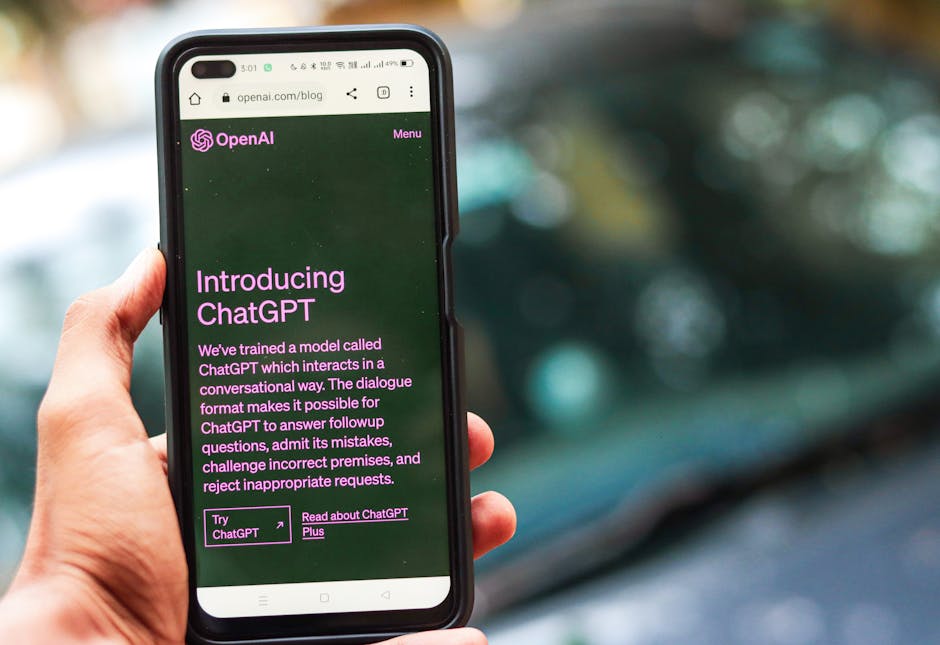
Are you looking for ways to streamline your customer service operations? Look no further than CRM software! Customer Relationship Management (CRM) software is a powerful tool that can help you manage and improve your interactions with customers. But with so many options available, how do you choose the right CRM software for your business? In this article, we will discuss some best practices for choosing and implementing CRM software for customer service.
First and foremost, it is important to understand your business needs and goals. Take the time to assess your current customer service operations and identify areas that need improvement. Are you struggling with managing customer data? Do you need a better way to track customer interactions? Understanding your specific pain points will help you narrow down your options and choose a CRM software that addresses your unique needs.
Once you have identified your needs, it is time to research and compare different CRM software options. Look for software that offers features and functionalities that align with your goals. For example, if you need a system that can handle a large volume of customer inquiries, look for software that offers robust ticketing and case management capabilities. If you want to improve customer engagement, consider software that integrates with social media platforms and offers tools for managing customer feedback.
In addition to features, it is important to consider the scalability and flexibility of the CRM software. As your business grows, your customer service needs may change. Choose a software that can grow with your business and adapt to your evolving requirements. Look for software that offers customization options and integrations with other business tools that you use.
Another important factor to consider is ease of use. Your customer service team will be the ones using the CRM software on a daily basis, so it is crucial that they find it intuitive and user-friendly. Look for software that offers a clean and intuitive interface, with easy navigation and a minimal learning curve. Consider involving your customer service team in the decision-making process and get their input on which software they find most user-friendly.
Once you have chosen a CRM software, it is time to implement it into your customer service operations. This process should be carefully planned and executed to ensure a smooth transition. Start by creating a detailed implementation plan that outlines the steps and timeline for the implementation process. Assign responsibilities to team members and provide them with the necessary training and resources to successfully implement the software.
During the implementation process, it is important to communicate with your team and keep them informed about the changes. Address any concerns or questions they may have and provide ongoing support and training as needed. Encourage feedback from your team and be open to making adjustments to the implementation plan if necessary.
In conclusion, choosing and implementing CRM software for customer service is a critical decision that can greatly impact your business. By understanding your needs, researching your options, and involving your team in the decision-making process, you can find the right CRM software that will streamline your customer service operations and improve your interactions with customers. So, what are you waiting for? Start exploring your options and take your customer service to the next level with CRM software!
Case Studies: Successful Implementation of CRM Software in Customer Service Operations
Case Studies: Successful Implementation of CRM Software in Customer Service Operations
In today’s fast-paced business world, providing exceptional customer service is crucial for any company looking to thrive. With the rise of technology, businesses are turning to customer relationship management (CRM) software to streamline their customer service operations. In this section, we will explore some case studies of companies that have successfully implemented CRM software and reaped the benefits.
One such company is XYZ Corporation, a leading e-commerce retailer. Prior to implementing CRM software, XYZ Corporation struggled to keep track of customer inquiries and complaints. Their customer service team was overwhelmed with the sheer volume of requests, leading to delayed responses and frustrated customers. Recognizing the need for a more efficient system, XYZ Corporation decided to invest in CRM software.
After the implementation, XYZ Corporation saw a significant improvement in their customer service operations. The CRM software allowed them to centralize all customer data, including purchase history and previous interactions. This enabled their customer service representatives to have a complete view of each customer, allowing for personalized and efficient responses. With the ability to track customer inquiries and complaints, XYZ Corporation was able to prioritize and resolve issues in a timely manner, resulting in increased customer satisfaction.
Another company that experienced success with CRM software is ABC Bank. As a financial institution, ABC Bank faced the challenge of managing a large customer base while maintaining personalized service. Prior to implementing CRM software, their customer service representatives struggled to keep track of customer preferences and account information. This often led to repetitive questions and a lack of personalized service.
With the implementation of CRM software, ABC Bank was able to overcome these challenges. The software allowed them to store and access customer information in a centralized database, making it easy for customer service representatives to retrieve relevant information quickly. This enabled them to provide personalized service, addressing customers by name and anticipating their needs. Additionally, the CRM software provided ABC Bank with valuable insights into customer behavior and preferences, allowing them to tailor their services and offerings accordingly.
One more case study worth mentioning is DEF Airlines, a global airline company. Prior to implementing CRM software, DEF Airlines struggled with managing customer inquiries and complaints across multiple channels, including phone, email, and social media. This resulted in a disjointed customer experience and a lack of consistency in their responses.
With the implementation of CRM software, DEF Airlines was able to centralize all customer interactions, regardless of the channel. This allowed their customer service representatives to have a complete view of each customer’s journey, ensuring a seamless and consistent experience. The CRM software also provided DEF Airlines with real-time analytics, enabling them to identify trends and proactively address customer issues. As a result, DEF Airlines saw an increase in customer satisfaction and loyalty.
In conclusion, these case studies highlight the success that companies have achieved through the implementation of CRM software in their customer service operations. By centralizing customer data, providing personalized service, and gaining valuable insights, businesses can streamline their customer service operations and enhance the overall customer experience. As technology continues to advance, CRM software will undoubtedly play a crucial role in helping companies stay ahead in the competitive business landscape.
Comparison of Top CRM Software Solutions for Streamlining Customer Service
Are you looking for a way to streamline your customer service operations? Look no further than CRM software. Customer Relationship Management (CRM) software is designed to help businesses manage their interactions with customers, streamline processes, and improve overall customer satisfaction. With so many CRM software solutions available on the market, it can be overwhelming to choose the right one for your business. In this article, we will compare some of the top CRM software solutions for streamlining customer service, so you can make an informed decision.
First on our list is Salesforce, a leading CRM software that offers a wide range of features to help businesses manage their customer relationships. With Salesforce, you can track customer interactions, manage leads and opportunities, and automate repetitive tasks. The software also integrates with other business tools, such as email and social media platforms, to provide a seamless customer experience. Additionally, Salesforce offers a mobile app, so you can access your customer data on the go.
Next up is HubSpot, a popular CRM software known for its user-friendly interface and robust features. HubSpot allows you to track customer interactions, manage deals and tasks, and create personalized email campaigns. The software also offers a live chat feature, so you can provide real-time support to your customers. HubSpot integrates with other tools, such as email marketing platforms and social media management tools, to streamline your customer service operations.
Another top CRM software solution is Zoho CRM, which offers a comprehensive set of features to help businesses manage their customer relationships. With Zoho CRM, you can track customer interactions, manage leads and opportunities, and automate workflows. The software also offers a built-in telephony feature, so you can make and receive calls directly from the CRM. Zoho CRM integrates with other business tools, such as email and project management platforms, to streamline your customer service operations.
If you’re looking for a CRM software that is specifically designed for small businesses, look no further than Freshworks CRM. Freshworks CRM offers a user-friendly interface and a range of features to help small businesses manage their customer relationships. With Freshworks CRM, you can track customer interactions, manage leads and deals, and automate repetitive tasks. The software also offers a built-in phone system, so you can make and receive calls directly from the CRM. Freshworks CRM integrates with other business tools, such as email marketing platforms and help desk software, to streamline your customer service operations.
Last but not least, we have Microsoft Dynamics 365, a comprehensive CRM software that offers a wide range of features to help businesses manage their customer relationships. With Microsoft Dynamics 365, you can track customer interactions, manage leads and opportunities, and automate workflows. The software also offers a built-in email marketing feature, so you can create and send personalized email campaigns. Microsoft Dynamics 365 integrates with other Microsoft tools, such as Outlook and Excel, to streamline your customer service operations.
In conclusion, choosing the right CRM software for your business can greatly streamline your customer service operations. Whether you’re a small business or a large enterprise, there is a CRM software solution out there that can meet your needs. From Salesforce to Microsoft Dynamics 365, each software offers unique features to help you manage your customer relationships effectively. Consider your business requirements and budget when making your decision, and you’ll be well on your way to streamlining your customer service operations.
Future Trends in CRM Software for Improving Customer Service Operations
In today’s fast-paced business world, providing exceptional customer service is more important than ever. Customers have high expectations and demand quick and efficient support. To meet these demands, businesses are turning to customer relationship management (CRM) software to streamline their customer service operations. CRM software not only helps businesses manage their customer interactions but also provides valuable insights and analytics to improve customer satisfaction. In this article, we will explore the top CRM software options that are revolutionizing customer service operations and discuss future trends in CRM software for improving customer service.
One of the top CRM software options available today is Salesforce. Salesforce is a cloud-based CRM platform that offers a wide range of features to streamline customer service operations. With Salesforce, businesses can track customer interactions, manage support tickets, and automate repetitive tasks. The platform also provides real-time analytics and reporting, allowing businesses to identify trends and make data-driven decisions to improve customer service. Additionally, Salesforce integrates with other business tools, such as email and social media, to provide a seamless customer experience.
Another popular CRM software option is HubSpot. HubSpot is known for its user-friendly interface and comprehensive features. With HubSpot, businesses can manage customer interactions, track leads, and automate marketing campaigns. The platform also offers a help desk feature, allowing businesses to provide timely and personalized support to their customers. HubSpot’s CRM software is highly customizable, allowing businesses to tailor it to their specific needs. Additionally, HubSpot offers a free version of its CRM software, making it an attractive option for small businesses with limited budgets.
As technology continues to advance, future trends in CRM software are focused on improving customer service operations even further. One of these trends is the integration of artificial intelligence (AI) into CRM software. AI-powered CRM software can analyze customer data and provide personalized recommendations and solutions. For example, AI can analyze customer interactions and predict the best course of action for resolving a support ticket. This not only saves time but also ensures that customers receive the best possible support.
Another future trend in CRM software is the use of chatbots. Chatbots are AI-powered virtual assistants that can interact with customers in real-time. They can answer frequently asked questions, provide product recommendations, and even resolve simple support issues. Chatbots are available 24/7, providing customers with instant support and reducing the workload on customer service agents. By integrating chatbots into CRM software, businesses can provide efficient and personalized support to their customers, even during peak hours.
In conclusion, CRM software is revolutionizing customer service operations by providing businesses with the tools they need to streamline their processes and improve customer satisfaction. Salesforce and HubSpot are two top CRM software options that offer a wide range of features to manage customer interactions and provide valuable insights. Looking towards the future, AI and chatbots are emerging trends in CRM software that will further enhance customer service operations. By embracing these trends, businesses can stay ahead of the competition and deliver exceptional customer service in today’s fast-paced business world.
Conclusion
In conclusion, there are several top CRM software options available for streamlining customer service operations. These include Salesforce, HubSpot, Zendesk, Freshdesk, and Zoho CRM. Each of these software solutions offers a range of features and capabilities to help businesses effectively manage customer interactions, track customer data, and improve overall customer service operations. Ultimately, the best CRM software for streamlining customer service operations will depend on the specific needs and requirements of the business.