CRM software, also known as Customer Relationship Management software, plays a crucial role in supporting data-driven sales strategies. By providing a centralized platform for managing customer interactions and data, CRM software enables businesses to make informed decisions, improve sales processes, and enhance customer relationships. This introduction will explore the various ways in which CRM software supports data-driven sales strategies.
Benefits of Using CRM Software for Data-Driven Sales Strategies
In today’s fast-paced business world, data is king. Companies are constantly collecting and analyzing data to gain insights into their customers and make informed decisions. This is especially true in the sales department, where having access to accurate and up-to-date information can make all the difference in closing a deal. That’s where CRM software comes in. CRM, or Customer Relationship Management, software is a powerful tool that supports data-driven sales strategies and helps businesses achieve their sales goals.
One of the key benefits of using CRM software for data-driven sales strategies is that it centralizes all customer information in one place. Gone are the days of searching through spreadsheets and email chains to find the latest contact information or sales history. With CRM software, all customer data is stored in a single, easily accessible database. This not only saves time but also ensures that sales reps have the most accurate and up-to-date information at their fingertips.
Another advantage of using CRM software for data-driven sales strategies is that it provides valuable insights into customer behavior. By tracking customer interactions and analyzing data, CRM software can identify patterns and trends that can help sales reps better understand their customers’ needs and preferences. For example, if a customer consistently purchases a certain product or shows interest in a particular service, the CRM software can alert the sales rep to this information, allowing them to tailor their sales pitch accordingly.
CRM software also supports data-driven sales strategies by automating repetitive tasks. Sales reps often spend a significant amount of time on administrative tasks, such as data entry and follow-up emails. CRM software can automate these tasks, freeing up valuable time for sales reps to focus on building relationships with customers and closing deals. For example, when a sales rep enters a new lead into the CRM system, the software can automatically send a follow-up email or schedule a reminder for the sales rep to reach out to the lead at a later date.
In addition to streamlining administrative tasks, CRM software can also help sales reps prioritize their leads. Not all leads are created equal, and it’s important for sales reps to focus their time and energy on the leads that are most likely to convert. CRM software can assign a lead score to each prospect based on factors such as their level of engagement, purchase history, and demographic information. This allows sales reps to prioritize their efforts and focus on the leads that have the highest likelihood of converting into customers.
Finally, CRM software can improve collaboration and communication within the sales team. With CRM software, sales reps can easily share information and collaborate on deals, ensuring that everyone is on the same page. This not only improves efficiency but also allows for better coordination and teamwork. For example, if a sales rep is out of the office and a customer calls with a question, another sales rep can quickly access the customer’s information in the CRM system and provide a timely response.
In conclusion, CRM software is a valuable tool that supports data-driven sales strategies. By centralizing customer information, providing insights into customer behavior, automating repetitive tasks, prioritizing leads, and improving collaboration, CRM software helps sales reps make informed decisions and achieve their sales goals. In today’s competitive business landscape, having access to accurate and up-to-date data is essential, and CRM software provides the foundation for data-driven sales success.
How CRM Software Enhances Sales Performance through Data Analysis
In today’s fast-paced business world, sales teams are constantly looking for ways to improve their performance and drive revenue. One of the most effective tools they can use is customer relationship management (CRM) software. CRM software not only helps sales teams manage their customer relationships, but it also supports data-driven sales strategies through data analysis.
Data analysis is the process of examining large sets of data to uncover patterns, trends, and insights that can be used to make informed business decisions. In the context of sales, data analysis can provide valuable information about customer behavior, preferences, and buying patterns. This information can then be used to tailor sales strategies and improve sales performance.
CRM software plays a crucial role in data analysis by collecting and organizing customer data in a centralized database. This data can include information such as customer contact details, purchase history, and interactions with the sales team. By having all this information in one place, sales teams can easily access and analyze it to gain a deeper understanding of their customers.
One way CRM software supports data-driven sales strategies is by providing real-time insights into customer behavior. For example, if a customer visits a company’s website and interacts with certain products or services, the CRM software can track and record this information. Sales teams can then use this data to identify potential leads and tailor their sales pitches accordingly.
CRM software also enables sales teams to track and measure the effectiveness of their sales strategies. By analyzing data on sales activities, such as calls made, emails sent, and meetings scheduled, sales teams can identify which strategies are working and which ones need improvement. This allows them to make data-driven decisions about where to focus their efforts and allocate resources.
Furthermore, CRM software can help sales teams identify cross-selling and upselling opportunities. By analyzing customer purchase history and preferences, CRM software can suggest additional products or services that customers may be interested in. This not only increases sales revenue but also enhances the customer experience by providing personalized recommendations.
In addition to supporting data analysis, CRM software also enhances sales performance by streamlining sales processes. For example, CRM software can automate repetitive tasks such as data entry, follow-up emails, and appointment scheduling. This frees up sales teams to focus on building relationships with customers and closing deals.
Moreover, CRM software can improve collaboration and communication within sales teams. By providing a centralized platform for sharing information and tracking progress, CRM software ensures that everyone is on the same page and working towards the same goals. This leads to better coordination and more efficient sales processes.
In conclusion, CRM software is a powerful tool that supports data-driven sales strategies through data analysis. By collecting and organizing customer data, CRM software provides valuable insights into customer behavior and preferences. This information can then be used to tailor sales strategies, track sales performance, identify cross-selling opportunities, and streamline sales processes. With CRM software, sales teams can make informed decisions, improve their performance, and drive revenue. So, if you want to take your sales strategies to the next level, consider implementing CRM software today.
Implementing CRM Software to Optimize Sales Forecasting and Planning
Implementing CRM Software to Optimize Sales Forecasting and Planning
In today’s fast-paced business world, staying ahead of the competition is crucial. One way to gain a competitive edge is by implementing customer relationship management (CRM) software. CRM software not only helps businesses manage their customer relationships but also supports data-driven sales strategies. By leveraging the power of CRM software, businesses can optimize their sales forecasting and planning, leading to increased revenue and improved customer satisfaction.
CRM software provides businesses with a centralized platform to store and analyze customer data. This data includes information such as customer demographics, purchase history, and communication preferences. By having all this information in one place, businesses can gain valuable insights into their customers’ behavior and preferences. These insights can then be used to develop targeted sales strategies that are more likely to resonate with customers.
One of the key benefits of CRM software is its ability to improve sales forecasting. By analyzing historical sales data, CRM software can identify patterns and trends that can help businesses predict future sales. This allows businesses to make more accurate sales forecasts, which in turn helps them plan their resources more effectively. For example, if a business knows that sales tend to spike during certain times of the year, they can ensure they have enough inventory and staff to meet the increased demand.
CRM software also supports sales planning by providing businesses with real-time data and analytics. This allows businesses to track their sales performance and make adjustments as needed. For example, if a particular sales strategy is not yielding the desired results, businesses can quickly identify the issue and make necessary changes. This agility in sales planning helps businesses stay responsive to market changes and customer demands, ultimately leading to increased sales and customer satisfaction.
Furthermore, CRM software enables businesses to automate various sales processes, saving time and improving efficiency. For instance, CRM software can automate lead generation and qualification, ensuring that sales teams are focusing their efforts on the most promising leads. This not only streamlines the sales process but also increases the chances of closing deals. Additionally, CRM software can automate follow-up communications with customers, ensuring that no leads fall through the cracks and that customers feel valued and engaged throughout the sales process.
Another advantage of CRM software is its ability to facilitate collaboration and communication among sales teams. With CRM software, sales teams can easily share information, track progress, and coordinate efforts. This promotes a more cohesive and efficient sales process, as team members can work together towards common goals. Additionally, CRM software allows sales managers to monitor and evaluate the performance of their teams, providing valuable feedback and coaching opportunities.
In conclusion, implementing CRM software is a smart move for businesses looking to optimize their sales forecasting and planning. By leveraging the power of CRM software, businesses can gain valuable insights into their customers’ behavior, make more accurate sales forecasts, and plan their resources more effectively. CRM software also enables businesses to track their sales performance in real-time, automate various sales processes, and facilitate collaboration among sales teams. With all these benefits, it’s clear that CRM software is a valuable tool for supporting data-driven sales strategies and driving business success.
Leveraging CRM Software to Improve Customer Segmentation and Targeting
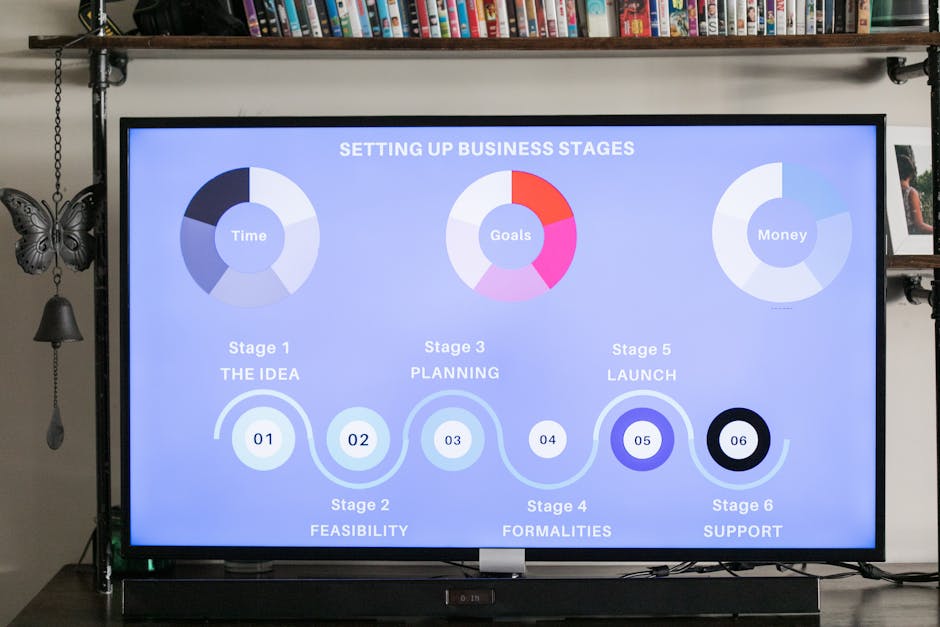
In today’s competitive business landscape, companies are constantly looking for ways to gain a competitive edge. One area that has seen significant growth and innovation is customer relationship management (CRM) software. CRM software is a powerful tool that helps businesses manage their interactions with customers, streamline processes, and improve overall efficiency. But did you know that CRM software can also support data-driven sales strategies? In this article, we will explore how leveraging CRM software can improve customer segmentation and targeting, ultimately leading to increased sales and revenue.
One of the key benefits of CRM software is its ability to collect and store vast amounts of customer data. This data can include everything from basic contact information to purchase history, preferences, and even social media activity. By analyzing this data, businesses can gain valuable insights into their customers’ behaviors, preferences, and needs. This information is crucial for effective customer segmentation and targeting.
Customer segmentation is the process of dividing a company’s customer base into distinct groups based on specific criteria. These criteria can include demographics, purchasing behavior, or even psychographic factors such as interests and values. By segmenting customers, businesses can tailor their marketing efforts and sales strategies to better meet the needs and preferences of each group.
CRM software makes customer segmentation a breeze. With just a few clicks, businesses can generate detailed reports and visualizations that highlight key customer segments. These reports can provide valuable information such as the size of each segment, their purchasing patterns, and even their lifetime value. Armed with this information, businesses can create targeted marketing campaigns and sales strategies that resonate with each segment.
But customer segmentation is just the first step. Once businesses have identified their target segments, they need to develop strategies to effectively reach and engage these customers. This is where CRM software truly shines. With its robust communication and automation features, CRM software allows businesses to deliver personalized messages and offers to each segment.
For example, let’s say a company has identified a segment of customers who are interested in eco-friendly products. With CRM software, they can easily create and send targeted emails promoting their latest line of sustainable products. They can also use the software to track customer responses and engagement, allowing them to refine their messaging and offers over time.
Furthermore, CRM software can help businesses track and measure the effectiveness of their sales strategies. By integrating CRM software with other tools such as marketing automation platforms or e-commerce systems, businesses can gain a holistic view of their customers’ journey from initial contact to purchase. This data can help businesses identify which strategies are working and which ones need improvement, allowing them to continuously optimize their sales efforts.
In conclusion, CRM software is a powerful tool that can support data-driven sales strategies. By leveraging the vast amount of customer data stored in CRM software, businesses can effectively segment their customers and tailor their marketing efforts and sales strategies to meet the unique needs and preferences of each segment. With its communication and automation features, CRM software also enables businesses to deliver personalized messages and offers to each segment, ultimately leading to increased sales and revenue. So if you’re looking to take your sales strategies to the next level, consider harnessing the power of CRM software.
Enhancing Sales Team Collaboration with CRM Software and Data Insights
In today’s fast-paced business world, sales teams are constantly looking for ways to improve their performance and drive revenue. One of the most effective ways to achieve this is by implementing a data-driven sales strategy. By leveraging customer relationship management (CRM) software and data insights, sales teams can enhance collaboration and make more informed decisions.
CRM software is a powerful tool that allows sales teams to manage and track customer interactions, sales activities, and customer data. It provides a centralized platform where all customer information is stored, making it easily accessible to the entire team. This eliminates the need for manual data entry and ensures that everyone is working with the most up-to-date information.
With CRM software, sales teams can collaborate more effectively. They can share customer information, notes, and updates in real-time, allowing team members to stay informed and aligned. This level of collaboration fosters a sense of unity and ensures that everyone is on the same page when it comes to customer interactions and sales strategies.
But CRM software is not just about collaboration; it also provides valuable data insights that can drive sales strategies. By analyzing customer data, sales teams can identify patterns, trends, and opportunities that can help them make more informed decisions. For example, they can identify which products or services are most popular among their customers, allowing them to focus their efforts on promoting those offerings.
CRM software also enables sales teams to track customer interactions and sales activities. This data can be used to measure the effectiveness of different sales strategies and identify areas for improvement. For instance, if a particular sales campaign is not yielding the desired results, the team can analyze the data to understand why and make necessary adjustments.
Furthermore, CRM software can help sales teams prioritize their efforts. By segmenting customers based on their buying behavior, preferences, or demographics, sales teams can focus their attention on high-value prospects and tailor their sales approach accordingly. This targeted approach increases the chances of success and maximizes the team’s efficiency.
Another benefit of CRM software is its ability to automate repetitive tasks. By automating tasks such as data entry, follow-ups, and lead nurturing, sales teams can save time and focus on more important activities, such as building relationships with customers and closing deals. This automation not only increases productivity but also reduces the risk of human error.
In conclusion, CRM software is a valuable tool that supports data-driven sales strategies. It enhances sales team collaboration by providing a centralized platform for sharing customer information and updates. Additionally, it provides valuable data insights that can drive sales strategies and help teams make more informed decisions. By leveraging CRM software and data insights, sales teams can improve their performance, drive revenue, and ultimately achieve their sales goals. So, if you want to take your sales team to the next level, consider implementing CRM software and harnessing the power of data-driven sales strategies.
Using CRM Software to Streamline Sales Processes and Increase Efficiency
In today’s fast-paced business world, sales teams are constantly looking for ways to streamline their processes and increase efficiency. One tool that has proven to be invaluable in achieving these goals is customer relationship management (CRM) software. By utilizing CRM software, sales teams can gather and analyze data to make informed decisions and drive their sales strategies.
One of the key benefits of using CRM software is its ability to centralize customer data. In the past, sales teams would have to rely on spreadsheets, sticky notes, and other manual methods to keep track of customer information. This not only led to a disorganized and fragmented system but also made it difficult to access and analyze data. With CRM software, all customer data is stored in one centralized location, making it easy for sales teams to access and update information in real-time.
By having a centralized database of customer information, sales teams can gain valuable insights into their customers’ preferences, behaviors, and buying patterns. This data can then be used to create targeted sales strategies that are tailored to each individual customer. For example, if a salesperson notices that a particular customer frequently purchases a certain product, they can use this information to recommend similar products or offer personalized discounts. This not only increases the chances of making a sale but also enhances the overall customer experience.
CRM software also allows sales teams to track and monitor their sales activities. By recording every interaction with a customer, sales teams can easily see which strategies are working and which ones need improvement. For example, if a salesperson notices that a certain email template is generating a high response rate, they can replicate this template for future campaigns. On the other hand, if a particular sales approach is not yielding the desired results, they can make adjustments accordingly. This data-driven approach to sales not only saves time and effort but also ensures that sales teams are focusing their efforts on strategies that are proven to be effective.
In addition to tracking sales activities, CRM software can also automate repetitive tasks, freeing up valuable time for sales teams to focus on building relationships with customers. For example, instead of manually inputting customer information into a spreadsheet, CRM software can automatically capture and update data from various sources, such as emails and social media. This not only eliminates the risk of human error but also allows sales teams to spend more time engaging with customers and closing deals.
Furthermore, CRM software can provide sales teams with real-time analytics and reporting. By generating reports on key performance indicators (KPIs), such as conversion rates and revenue generated, sales teams can quickly identify areas for improvement and make data-driven decisions. For example, if a sales team notices that their conversion rate is low, they can analyze the data to determine the underlying reasons and implement strategies to address the issue. This constant feedback loop allows sales teams to continuously refine their sales strategies and achieve better results.
In conclusion, CRM software is a powerful tool that supports data-driven sales strategies. By centralizing customer data, providing valuable insights, automating tasks, and offering real-time analytics, CRM software enables sales teams to streamline their processes and increase efficiency. With the ability to make informed decisions based on data, sales teams can drive their sales strategies and ultimately achieve their goals. So, if you’re looking to take your sales team to the next level, consider implementing CRM software and unlock the full potential of your data-driven sales strategies.
The Role of CRM Software in Driving Sales Growth and Revenue Optimization
In today’s fast-paced business world, data is king. Companies are constantly seeking ways to leverage data to drive sales growth and optimize revenue. One powerful tool that has emerged to support this endeavor is customer relationship management (CRM) software. CRM software plays a crucial role in helping businesses implement data-driven sales strategies and achieve their revenue goals.
At its core, CRM software is designed to help businesses manage and analyze customer data. It serves as a centralized hub where all customer information is stored, including contact details, purchase history, and communication records. This wealth of data provides valuable insights into customer behavior and preferences, enabling businesses to tailor their sales strategies accordingly.
One of the key ways CRM software supports data-driven sales strategies is by providing a comprehensive view of the customer journey. By tracking every interaction a customer has with the company, from initial contact to post-purchase support, CRM software allows businesses to understand the entire customer experience. This holistic view enables sales teams to identify patterns and trends, helping them make informed decisions about how to engage with customers at each stage of the sales process.
Furthermore, CRM software enables businesses to segment their customer base based on various criteria. By categorizing customers into different groups, such as by demographics, purchase history, or engagement level, businesses can create targeted marketing campaigns and personalized sales approaches. This level of customization not only increases the chances of making a sale but also enhances the overall customer experience, fostering loyalty and repeat business.
In addition to segmentation, CRM software also facilitates lead management. It helps businesses track and prioritize leads, ensuring that sales teams focus their efforts on the most promising opportunities. By analyzing lead data, such as lead source, engagement level, and conversion rate, CRM software helps businesses identify the most effective lead generation channels and optimize their sales funnel. This data-driven approach allows businesses to allocate their resources more efficiently, resulting in higher conversion rates and increased revenue.
Moreover, CRM software plays a vital role in sales forecasting and pipeline management. By analyzing historical sales data and current market trends, CRM software helps businesses predict future sales performance and identify potential bottlenecks in the sales process. This proactive approach allows businesses to make data-driven decisions, such as adjusting sales targets, reallocating resources, or implementing new sales strategies, to maximize revenue generation.
Lastly, CRM software supports collaboration and communication within sales teams. It provides a centralized platform where team members can share customer information, track progress, and collaborate on deals. This real-time visibility ensures that everyone is on the same page and enables seamless handoffs between team members. By fostering collaboration and streamlining communication, CRM software enhances the efficiency and effectiveness of sales teams, ultimately driving sales growth.
In conclusion, CRM software plays a crucial role in driving sales growth and revenue optimization through its ability to manage and analyze customer data. By providing a comprehensive view of the customer journey, enabling segmentation and lead management, facilitating sales forecasting and pipeline management, and supporting collaboration within sales teams, CRM software empowers businesses to implement data-driven sales strategies. In today’s data-driven business landscape, CRM software is a valuable tool for businesses looking to stay ahead of the competition and achieve their revenue goals.
Conclusion
In conclusion, CRM software plays a crucial role in supporting data-driven sales strategies. It enables businesses to collect, organize, and analyze customer data, providing valuable insights that can inform sales decisions. By leveraging CRM software, sales teams can identify trends, track customer interactions, and personalize their approach, leading to improved customer relationships and increased sales effectiveness. Additionally, CRM software facilitates collaboration and communication within sales teams, enhancing productivity and efficiency. Overall, CRM software is an essential tool for businesses looking to implement data-driven sales strategies and achieve sustainable growth.