CRM software, also known as Customer Relationship Management software, plays a crucial role in personalizing customer interactions. By providing businesses with a centralized platform to manage customer data, track interactions, and analyze customer behavior, CRM software enables companies to understand their customers better and tailor their interactions accordingly. This introduction highlights the significance of CRM software in enhancing customer relationships and delivering personalized experiences.
Benefits of CRM Software in Personalizing Customer Interactions
Why CRM Software Is the Key to Personalizing Customer Interactions
In today’s fast-paced business world, customer interactions are more important than ever. With so many options available to consumers, companies need to find ways to stand out from the competition and create meaningful connections with their customers. One way to do this is by personalizing customer interactions, and CRM software is the key to making this happen.
CRM, or Customer Relationship Management, software is a powerful tool that allows companies to manage and analyze customer data. It provides a centralized database where all customer information is stored, making it easy for employees to access and update. But CRM software is much more than just a database – it is a tool that can help companies personalize their interactions with customers in a variety of ways.
One of the main benefits of CRM software is that it allows companies to track customer preferences and behaviors. By analyzing data such as purchase history, website visits, and social media interactions, companies can gain valuable insights into what their customers want and need. Armed with this information, companies can tailor their interactions to meet the specific needs of each customer.
For example, let’s say a customer has recently purchased a new laptop from an online retailer. Using CRM software, the retailer can see that the customer has also been browsing accessories such as laptop bags and wireless mice. Armed with this information, the retailer can send the customer personalized recommendations for accessories that would complement their new laptop. This not only shows the customer that the retailer understands their needs, but it also increases the likelihood of a repeat purchase.
CRM software also allows companies to automate certain aspects of customer interactions. For example, companies can set up automated email campaigns that are triggered by specific customer actions or events. This allows companies to send personalized messages to customers at the right time, without requiring manual intervention.
Imagine a customer signs up for a free trial of a software product. Using CRM software, the company can automatically send the customer a series of emails that provide tips and tricks for getting the most out of the trial. This not only helps the customer make the most of their trial period, but it also keeps the company top of mind and increases the chances of a conversion to a paid customer.
In addition to tracking customer preferences and automating interactions, CRM software also allows companies to provide better customer service. By having access to a customer’s complete history with the company, employees can quickly and easily address any issues or concerns that arise. This not only saves time for both the customer and the company, but it also shows the customer that their needs are being taken seriously.
For example, let’s say a customer contacts a company with a question about a recent purchase. Using CRM software, the customer service representative can quickly pull up the customer’s order history and see that they have had a few issues with previous orders. Armed with this information, the representative can address the customer’s current concern and also offer a discount or other incentive to make up for the previous issues. This not only resolves the customer’s immediate concern, but it also helps to rebuild trust and loyalty.
In conclusion, CRM software is the key to personalizing customer interactions. By tracking customer preferences and behaviors, automating interactions, and providing better customer service, companies can create meaningful connections with their customers and stand out from the competition. So if you want to take your customer interactions to the next level, it’s time to invest in CRM software.
How CRM Software Enhances Customer Engagement
In today’s fast-paced business world, customer engagement is more important than ever. With so many options available to consumers, companies need to find ways to stand out and create meaningful connections with their customers. One way to do this is through the use of Customer Relationship Management (CRM) software. CRM software is a powerful tool that can enhance customer engagement and help businesses personalize their interactions with customers.
One of the key ways that CRM software enhances customer engagement is by providing a centralized database of customer information. With CRM software, businesses can store and access important customer data such as contact information, purchase history, and preferences all in one place. This allows businesses to have a comprehensive view of each customer and tailor their interactions accordingly. For example, if a customer has previously purchased a certain product, a business can use this information to recommend similar products or offer personalized discounts. By using CRM software to track and analyze customer data, businesses can create more targeted and relevant interactions, leading to increased customer satisfaction and loyalty.
Another way that CRM software enhances customer engagement is through automation. CRM software can automate many routine tasks such as sending follow-up emails, scheduling appointments, and tracking customer interactions. This frees up valuable time for businesses to focus on more meaningful customer interactions. For example, instead of spending hours manually inputting customer data, a business can use CRM software to automatically capture and update customer information. This allows businesses to spend more time engaging with customers and less time on administrative tasks. By automating these processes, CRM software helps businesses provide faster and more efficient service, leading to improved customer satisfaction.
CRM software also enables businesses to track and measure customer engagement. With CRM software, businesses can monitor customer interactions across multiple channels such as email, social media, and phone calls. This allows businesses to see which channels are most effective in engaging customers and adjust their strategies accordingly. For example, if a business notices that customers are more responsive to email campaigns than social media posts, they can allocate more resources to email marketing. By tracking and measuring customer engagement, CRM software helps businesses make data-driven decisions and optimize their customer interactions.
In addition to enhancing customer engagement, CRM software can also improve internal communication and collaboration. With CRM software, different departments within a business can easily access and share customer information. This allows for a more coordinated and personalized approach to customer interactions. For example, if a customer contacts customer service with a question, the representative can quickly access the customer’s purchase history and preferences to provide a more tailored response. By improving internal communication and collaboration, CRM software helps businesses provide a seamless and personalized customer experience.
In conclusion, CRM software is the key to personalizing customer interactions and enhancing customer engagement. By providing a centralized database of customer information, automating routine tasks, tracking and measuring customer engagement, and improving internal communication and collaboration, CRM software helps businesses create meaningful connections with their customers. In today’s competitive business landscape, investing in CRM software is essential for businesses looking to stand out and provide exceptional customer experiences. So, if you want to take your customer engagement to the next level, consider implementing CRM software today.
Implementing CRM Software for Effective Personalization
In today’s fast-paced business world, customer interactions are more important than ever. With so many options available to consumers, companies need to find ways to stand out from the competition and create personalized experiences for their customers. This is where CRM software comes in. Implementing CRM software is the key to effective personalization and can revolutionize the way companies interact with their customers.
One of the main benefits of CRM software is its ability to centralize customer data. Instead of having customer information scattered across different departments and systems, CRM software brings it all together in one place. This allows companies to have a complete view of each customer, including their purchase history, preferences, and any previous interactions they have had with the company. With this information at their fingertips, companies can tailor their interactions to each individual customer, making them feel valued and understood.
Another advantage of CRM software is its ability to automate processes. With CRM software, companies can set up automated workflows that streamline repetitive tasks and ensure that nothing falls through the cracks. For example, when a customer makes a purchase, CRM software can automatically send them a personalized thank you email or follow-up with a satisfaction survey. These automated processes not only save time and resources but also ensure that every customer receives a consistent and personalized experience.
CRM software also enables companies to track customer interactions across different channels. Whether a customer reaches out via email, phone, or social media, CRM software can capture and store these interactions. This allows companies to have a complete picture of each customer’s journey and ensures that no matter how they choose to engage, they receive a consistent and personalized experience. For example, if a customer contacts a company with a question via email, CRM software can automatically pull up their previous interactions and provide the customer service representative with the information they need to provide a personalized response.
In addition to centralizing customer data and automating processes, CRM software also provides valuable insights into customer behavior. By analyzing the data collected in the CRM system, companies can identify patterns and trends that can help them better understand their customers. For example, they may discover that customers who purchase a certain product are more likely to also purchase a related accessory. Armed with this information, companies can create targeted marketing campaigns and personalized recommendations that are more likely to resonate with their customers.
Implementing CRM software may seem like a daunting task, but the benefits far outweigh the initial investment. By centralizing customer data, automating processes, tracking interactions, and gaining insights into customer behavior, companies can create personalized experiences that set them apart from the competition. In today’s digital age, where customers have come to expect personalized interactions, CRM software is the key to success. So, if you want to take your customer interactions to the next level, it’s time to consider implementing CRM software. Your customers will thank you for it.
Case Studies: Successful Personalization with CRM Software
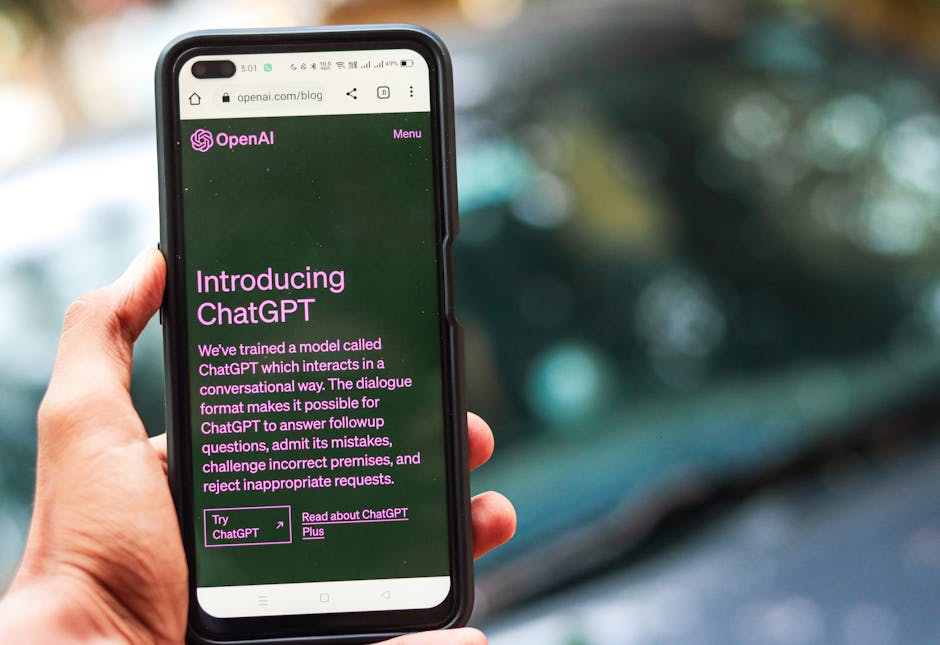
In today’s fast-paced business world, customer interactions are more important than ever. With so many options available to consumers, companies need to find ways to stand out from the competition and create personalized experiences that keep customers coming back for more. One tool that has proven to be invaluable in achieving this goal is CRM software.
CRM, or Customer Relationship Management, software is a powerful tool that allows companies to manage and analyze customer interactions and data. It provides a centralized platform where businesses can store and access information about their customers, including contact details, purchase history, and preferences. This wealth of information is the key to personalizing customer interactions and creating memorable experiences.
To illustrate the power of CRM software in personalizing customer interactions, let’s take a look at a few case studies of companies that have successfully implemented this technology.
First up is a clothing retailer that used CRM software to revolutionize their customer service. By integrating their CRM system with their online store, they were able to track customer preferences and purchase history. Armed with this information, their sales associates could provide personalized recommendations and suggestions to customers both in-store and online. This personalized approach not only increased customer satisfaction but also boosted sales and customer loyalty.
Next, let’s explore the case of a telecommunications company that used CRM software to improve their customer support. By integrating their CRM system with their call center software, they were able to provide their support agents with a complete view of each customer’s history and previous interactions. This allowed the agents to quickly and efficiently address customer issues, resulting in shorter call times and higher customer satisfaction ratings. The company also used the CRM software to proactively reach out to customers with personalized offers and promotions, further enhancing the customer experience.
Finally, let’s look at a hotel chain that used CRM software to personalize their marketing campaigns. By analyzing customer data stored in their CRM system, they were able to segment their customer base and create targeted marketing campaigns tailored to each segment. For example, they sent personalized emails to customers who had previously stayed at their hotels, offering them exclusive discounts and promotions. This personalized approach not only increased customer engagement but also resulted in higher conversion rates and increased revenue.
These case studies highlight just a few of the many ways CRM software can be used to personalize customer interactions. By leveraging the power of data and analytics, companies can gain valuable insights into their customers’ preferences and behaviors. Armed with this knowledge, they can create personalized experiences that make customers feel valued and understood.
In conclusion, CRM software is the key to personalizing customer interactions. By centralizing customer data and providing insights into customer preferences, companies can create memorable experiences that keep customers coming back for more. The case studies mentioned above demonstrate the power of CRM software in revolutionizing customer service, improving customer support, and enhancing marketing campaigns. So, if you want to take your customer interactions to the next level, it’s time to invest in CRM software.
Best Practices for Using CRM Software to Personalize Customer Interactions
Why CRM Software Is the Key to Personalizing Customer Interactions
In today’s fast-paced business world, customer interactions are more important than ever. With so many options available to consumers, companies need to find ways to stand out from the competition and create meaningful connections with their customers. One of the most effective ways to do this is by personalizing customer interactions, and CRM software is the key to making this happen.
CRM, or Customer Relationship Management, software is a powerful tool that allows companies to manage and analyze customer data. It provides a centralized database where all customer information is stored, including contact details, purchase history, and preferences. This wealth of information is invaluable when it comes to personalizing customer interactions.
Imagine this scenario: a customer calls your company’s customer service line with a problem. With CRM software, the customer service representative can quickly access the customer’s information and see their purchase history. Armed with this knowledge, the representative can address the customer by name and reference their previous purchases, making the interaction feel more personal and tailored to the customer’s needs.
But CRM software goes beyond just providing basic customer information. It also allows companies to track customer behavior and preferences. For example, if a customer frequently purchases a certain product, the software can automatically send them personalized recommendations or special offers related to that product. This not only enhances the customer’s experience but also increases the likelihood of repeat purchases.
Another way CRM software helps personalize customer interactions is through targeted marketing campaigns. By analyzing customer data, companies can identify specific segments of their customer base and create tailored marketing messages for each segment. For example, if a company sells both men’s and women’s clothing, they can use CRM software to identify male customers who have previously purchased women’s clothing and send them targeted promotions for men’s clothing. This level of personalization makes customers feel understood and valued, increasing their loyalty to the brand.
Furthermore, CRM software can also help companies anticipate customer needs. By analyzing customer data, companies can identify patterns and trends that can help them predict what customers might need in the future. For example, if a customer has recently purchased a new smartphone, the software can automatically send them information about compatible accessories or upcoming software updates. This proactive approach not only saves the customer time but also shows that the company is attentive to their needs.
In conclusion, CRM software is the key to personalizing customer interactions. It allows companies to access and analyze customer data, enabling them to address customers by name, reference their previous purchases, and provide tailored recommendations. CRM software also helps companies create targeted marketing campaigns and anticipate customer needs. By using CRM software effectively, companies can create meaningful connections with their customers, stand out from the competition, and ultimately drive business growth. So, if you want to take your customer interactions to the next level, investing in CRM software is a must.
The Role of CRM Software in Building Customer Loyalty
In today’s highly competitive business landscape, building and maintaining customer loyalty is more important than ever. With so many options available to consumers, businesses need to find ways to stand out and create personalized experiences that keep customers coming back for more. This is where CRM software comes into play. CRM, or Customer Relationship Management, software is a powerful tool that can help businesses build and nurture relationships with their customers.
One of the key roles of CRM software is to gather and organize customer data. By collecting information such as purchase history, preferences, and contact details, businesses can gain valuable insights into their customers’ needs and preferences. This data can then be used to create personalized interactions that make customers feel valued and understood. For example, a clothing retailer can use CRM software to track a customer’s past purchases and send them personalized recommendations based on their style preferences. This not only enhances the customer’s shopping experience but also increases the likelihood of repeat purchases.
CRM software also plays a crucial role in streamlining customer interactions. With a centralized database of customer information, businesses can easily access and update customer records, ensuring that all employees have the most up-to-date information at their fingertips. This eliminates the need for customers to repeat their information multiple times, reducing frustration and improving efficiency. Additionally, CRM software can automate routine tasks such as sending follow-up emails or scheduling appointments, freeing up employees’ time to focus on more meaningful interactions with customers.
Another way CRM software helps build customer loyalty is by enabling businesses to track and respond to customer feedback. By monitoring customer interactions and collecting feedback, businesses can identify areas for improvement and make necessary changes to enhance the customer experience. For example, if a customer complains about a long wait time on a support call, CRM software can flag this issue and prompt the business to address it promptly. By showing customers that their feedback is valued and acted upon, businesses can build trust and loyalty.
Furthermore, CRM software can help businesses identify and target their most valuable customers. By analyzing customer data, businesses can segment their customer base and identify those who are most likely to make repeat purchases or refer others to the business. This allows businesses to tailor their marketing efforts and offers to these high-value customers, increasing the chances of retaining their business and generating positive word-of-mouth. For example, a hotel chain can use CRM software to identify customers who frequently book rooms and offer them exclusive discounts or perks to encourage their continued loyalty.
In conclusion, CRM software plays a vital role in building customer loyalty by enabling businesses to personalize customer interactions, streamline processes, and respond to feedback. By leveraging the power of CRM software, businesses can create memorable experiences that keep customers coming back for more. In today’s competitive business landscape, investing in CRM software is not just a luxury but a necessity for businesses looking to thrive and succeed. So, if you want to take your customer interactions to the next level, it’s time to embrace the power of CRM software.
Future Trends: Personalization and CRM Software
In today’s fast-paced and highly competitive business world, customer satisfaction is more important than ever. Companies are constantly looking for ways to stand out from the crowd and provide a personalized experience for their customers. One tool that has become increasingly popular in achieving this goal is CRM software.
CRM, or Customer Relationship Management, software is a powerful tool that allows businesses to manage and analyze customer interactions and data. It provides a centralized platform for storing customer information, tracking sales and marketing activities, and managing customer support. But perhaps the most valuable feature of CRM software is its ability to personalize customer interactions.
Personalization is the key to building strong and lasting relationships with customers. When customers feel valued and understood, they are more likely to become loyal and repeat buyers. CRM software enables businesses to collect and analyze customer data, such as purchase history, preferences, and demographics, to gain insights into individual customer needs and preferences.
With this information at their fingertips, businesses can tailor their marketing messages and offers to each customer’s specific interests and preferences. For example, a clothing retailer can use CRM software to send personalized emails to customers, recommending products based on their past purchases or browsing history. This not only increases the chances of making a sale but also enhances the customer’s overall shopping experience.
CRM software also enables businesses to provide personalized customer support. By having access to a customer’s complete interaction history, including past inquiries and complaints, support agents can quickly and efficiently address their needs. This not only saves time for both the customer and the business but also shows the customer that their concerns are being taken seriously.
Furthermore, CRM software can help businesses identify and target high-value customers. By analyzing customer data, businesses can identify customers who have a high lifetime value, meaning they are likely to make repeat purchases and spend more money over time. These customers can then be targeted with special offers, loyalty programs, or personalized discounts to further enhance their experience and encourage their continued loyalty.
In addition to personalizing customer interactions, CRM software also helps businesses streamline their operations and improve efficiency. By automating routine tasks, such as data entry and follow-up emails, businesses can free up valuable time for their employees to focus on more important tasks, such as building relationships with customers. This not only improves productivity but also allows businesses to provide a higher level of service to their customers.
In conclusion, CRM software is the key to personalizing customer interactions in today’s business world. By collecting and analyzing customer data, businesses can gain valuable insights into individual customer needs and preferences. This allows them to tailor their marketing messages, offers, and customer support to each customer’s specific interests. In addition, CRM software helps businesses identify and target high-value customers, streamlines operations, and improves efficiency. By investing in CRM software, businesses can provide a personalized and exceptional experience for their customers, ultimately leading to increased customer satisfaction, loyalty, and business success.
Conclusion
CRM software is the key to personalizing customer interactions because it allows businesses to gather and analyze customer data, track customer preferences and behaviors, and create targeted marketing campaigns. This software enables businesses to understand their customers better, anticipate their needs, and provide personalized experiences, ultimately leading to increased customer satisfaction and loyalty.